
The Family Real Estate Succession Planning Checklist
Succession planning for family-owned multifamily portfolios requires careful coordination of tax strategy, legal structures, and family dynamics. This checklist provides a framework for beginning the conversation.
Estate & Tax Planning
- [ ] Current Estate Valuation - Obtain updated appraisals for all properties
- [ ] Prop 19 Analysis - Understand California property tax reassessment rules for inherited properties
- [ ] 1031 Exchange Evaluation - Consider tax-deferred exchange into passive income structures (DSTs, NNN leases)
- [ ] Trust Structure Review - Work with estate attorney to optimize ownership entities
- [ ] Capital Gains Planning - Model after-tax proceeds under various sale scenarios
Asset Optimization
- [ ] Rent Roll Analysis - Identify underperforming units or below-market rents
- [ ] Deferred Maintenance Assessment - Quantify capital needs and ROI on improvements
- [ ] Property Management Review - Evaluate current management effectiveness
- [ ] Highest & Best Use Analysis - Determine if current use maximizes land value
Family Communication
- [ ] Heir Interest Assessment - Do your children/heirs want to manage real estate?
- [ ] Family Meeting - Open dialogue about expectations and timelines
- [ ] Distribution Strategy - Equal vs. equitable distribution planning
- [ ] Management Transition - If heirs will manage, create training/transition plan
Professional Team Assembly
- [ ] Estate Planning Attorney - Specialized in California real estate
- [ ] CPA/Tax Advisor - Experienced in 1031 exchanges and generational transfers
- [ ] Real Estate Advisor - Strategic portfolio consultant (not just transactional broker)
- [ ] Financial Planner - Retirement income and wealth preservation specialist
Exit Strategy Options
Option 1: Full Sale + 1031 Exchange
Dispose of management-intensive assets, defer taxes, exchange into passive income (DST portfolios).
Option 2: Partial Sale + Hold
Liquidate underperforming assets, reinvest proceeds, retain trophy properties for heirs.
Option 3: Transition to Professional Management
Retain ownership, outsource all management, preserve passive income for family.
Option 4: Outright Sale + Estate Distribution
Full liquidation, pay capital gains, distribute cash to heirs for flexibility.
Timeline Considerations
Succession planning is not a single event, it's a 2-5 year process. Starting early provides maximum flexibility and tax efficiency.
Year 1: Assessment and team assembly
Year 2-3: Asset optimization and strategic positioning
Year 4-5: Execution of transfer or disposition strategy
Common Mistakes to Avoid
- Waiting until a health crisis forces rushed decisions
- Assuming heirs want to manage real estate (they often don't)
- Ignoring Prop 19's property tax reassessment implications
- Failing to model after-tax outcomes of various strategies
- Not communicating openly with family members
Succession planning requires a holistic approach that balances tax efficiency, family dynamics, and long-term wealth preservation. If you're ready to begin this conversation, let's discuss your family's specific situation.
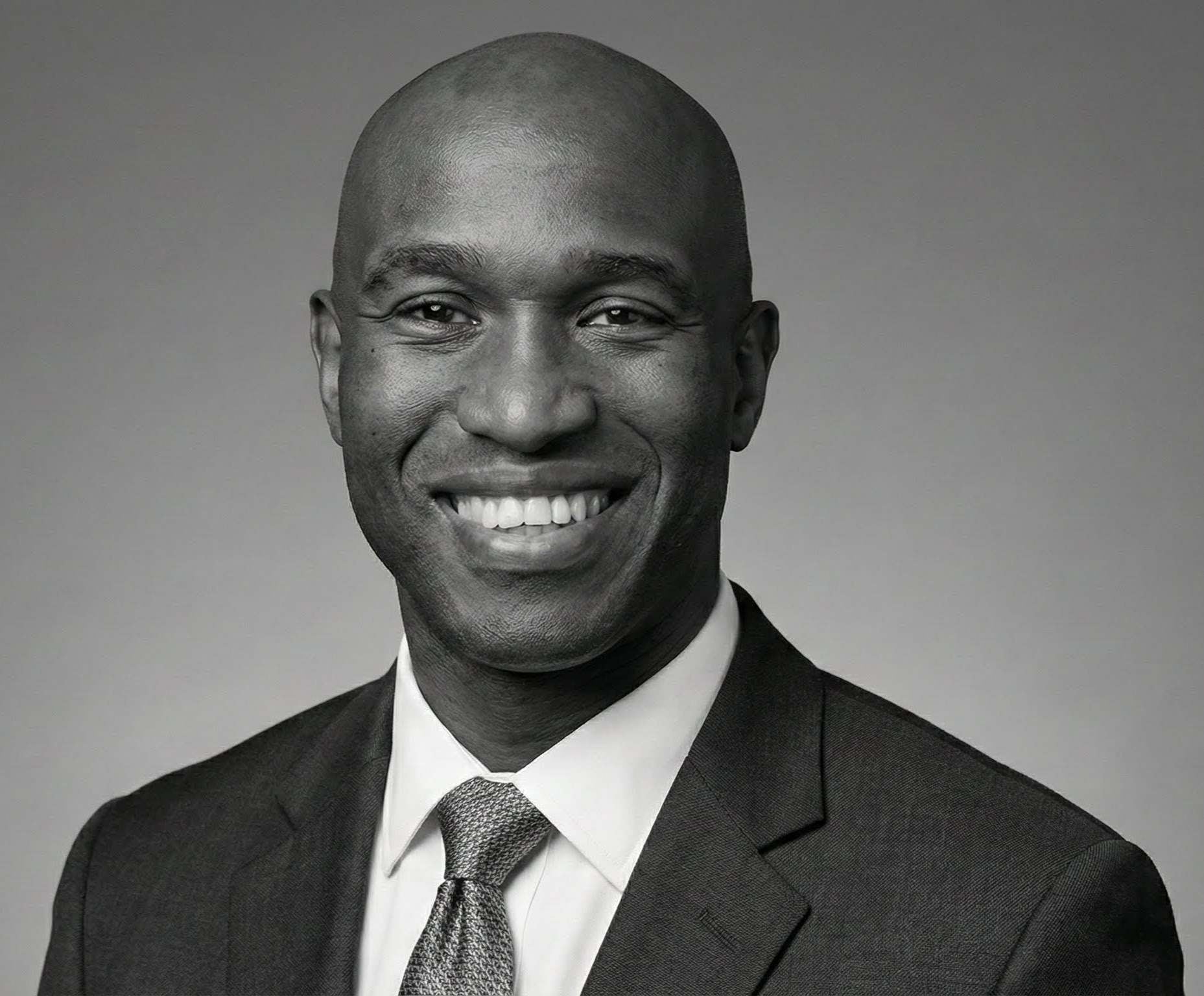
Seddu Eugene
Private Real Estate Advisory
Seddu Eugene advises multi-generational families and institutional investors on commercial real estate strategy, 1031 exchange execution, and portfolio optimization across San Diego County.
Contact Seddu →